Your Complimentary Buyer's Guide
Buying in Victoria, BC: An Honest Neighbourhood Guide
Every neighbourhood has a personality. This guide cuts through the marketing and tells you where to look depending on what actually matters to you.

Your Complimentary Buyer's Guide
Every neighbourhood has a personality. This guide cuts through the marketing and tells you where to look depending on what actually matters to you.
Section 01
Victoria isn't just one of Canada's most liveable cities, it's one of the most resilient real estate markets on the continent. Here's the honest version of why that matters.
The city sits at the southern tip of Vancouver Island, separated from the mainland by the Strait of Georgia. That geography isn't just beautiful, it's a hard constraint on supply. Unlike sprawling mainland cities, Greater Victoria can't easily build outward. The ocean, the ALR (Agricultural Land Reserve), and the Gulf Islands put a natural ceiling on how much land is ever available. Demand keeps growing. Supply can't keep pace. That dynamic doesn't change.
Victoria is also a university city, a government city, a tech city, and a retirement city, all at once. That diversity of economic drivers insulates it from the boom-bust cycles that hit resource-dependent towns. When interest rates rose sharply in 2022–2023, Victoria's market corrected, but it corrected far less than Vancouver, Toronto, or Calgary. The floor stayed high because the demand drivers stayed intact.
Year-round mild climate (the warmest in Canada), virtually no snow, world-class cycling infrastructure, a walkable downtown core, and access to the open ocean make this a city people actively choose. Not a city they move to by default because that's where the jobs are.
Section 02: Best for Investment
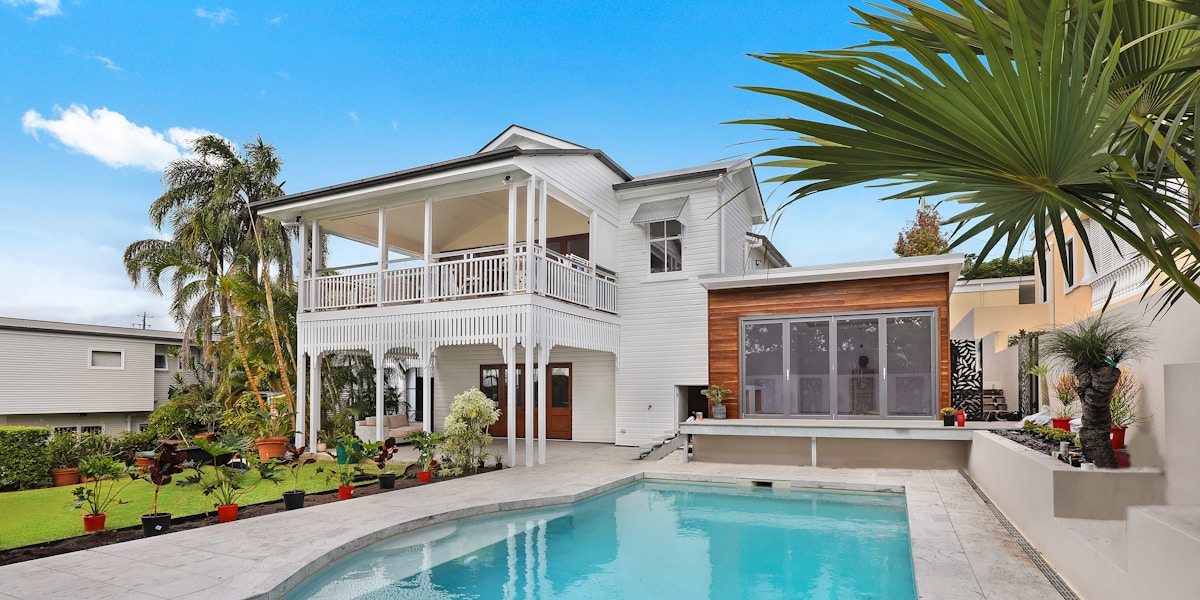
Saanich is the largest municipality in Greater Victoria by area, and that size means enormous variety. The eastern part (Gordon Head, Cadboro Bay, Queenswood) is quieter, more residential, and proximity to UVic makes it prime for student and faculty rentals. The western portion is more urban, with higher density zoning that creates opportunity in the condo and multi-unit space.
Strategically, Saanich was early to adopt gentle densification, laneway homes, secondary suites, and small multi-family have been permitted here longer than in some of the older, more restrictive municipalities. That matters for investors because your exit strategy is stronger. Buyers of secondary-suite properties have a wide pool of people who genuinely want that income offset.
Price points are typically below Fairfield and Oak Bay, which means better cap rates for the same rental income. You're not paying a lifestyle premium the way you do in the more famous neighbourhoods, you're paying for proximity to real economic drivers.
You buy a house in Saanich near UVic. You rent the basement suite to a grad student for $1,500–$1,800/month. You live upstairs, or rent that too. The rental income covers a meaningful chunk of your carrying costs. When you eventually sell, you're selling to another investor who sees the same thing you did. That's a repeatable, durable strategy.
Section 03: Best for Location & Community
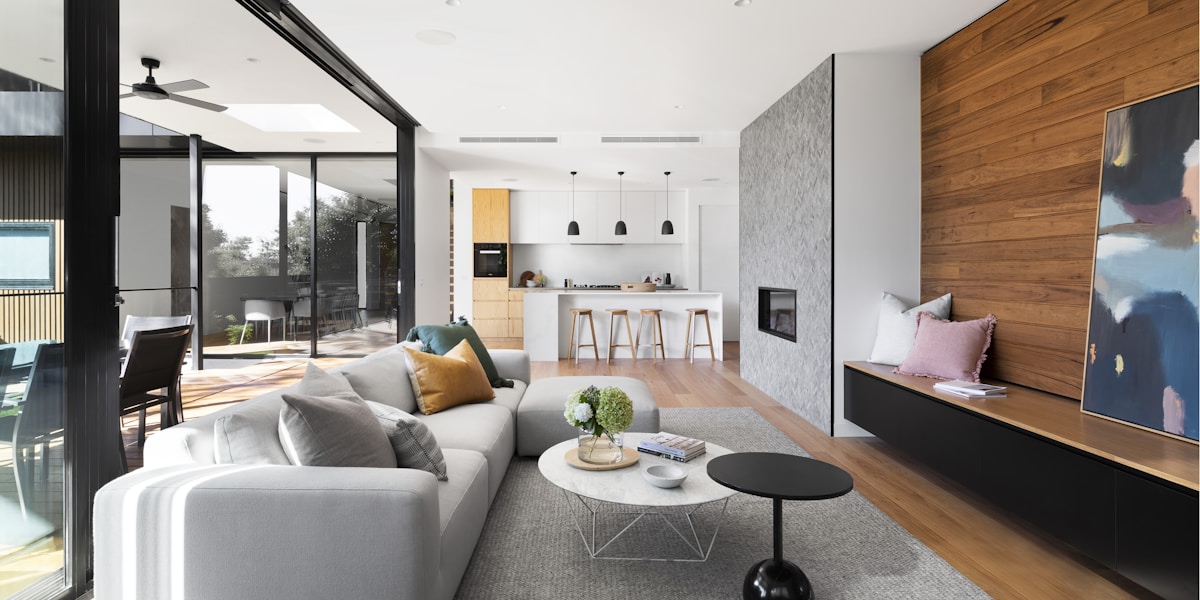
Fairfield runs from Cook Street Village east toward Foul Bay Road, and from Dallas Road (ocean front) north to Fort Street. The internal variation is fairly small, most of it is genuinely wonderful, with pockets near the park being the most coveted.
What makes Fairfield different from a community standpoint is the genuinely tight-knit neighbourhood culture. People know each other here. The Fairfield–Gonzales Community Association is active. The farmers' market, local cafés, and independent retailers on Cook Street create an environment that feels like a village within a city. It's not manufactured, it developed organically over decades.
The bike score of 92 is worth noting. You can realistically live in Fairfield without a car for daily life: groceries, restaurants, parks, beaches, downtown, all accessible by foot or bicycle. For buyers who want to reduce car dependence, this is about as good as it gets in Canada outside of major downtown cores.
The price reflects the quality. Fairfield runs higher per square foot than Saanich, but you're buying something different: heritage homes, irreplaceable architecture, and arguably the best location in the city. These properties hold value exceptionally well in downturns.
Professional couples who want to walk to work and still have a backyard. Young families who value neighbourhood schools and outdoor space over square footage. Downsizers trading a large Saanich family home for a well-located character home with a manageable garden. In each case, the motivation is the same: wanting to live somewhere with genuine soul.
Section 04: Lifestyle Shout-Out
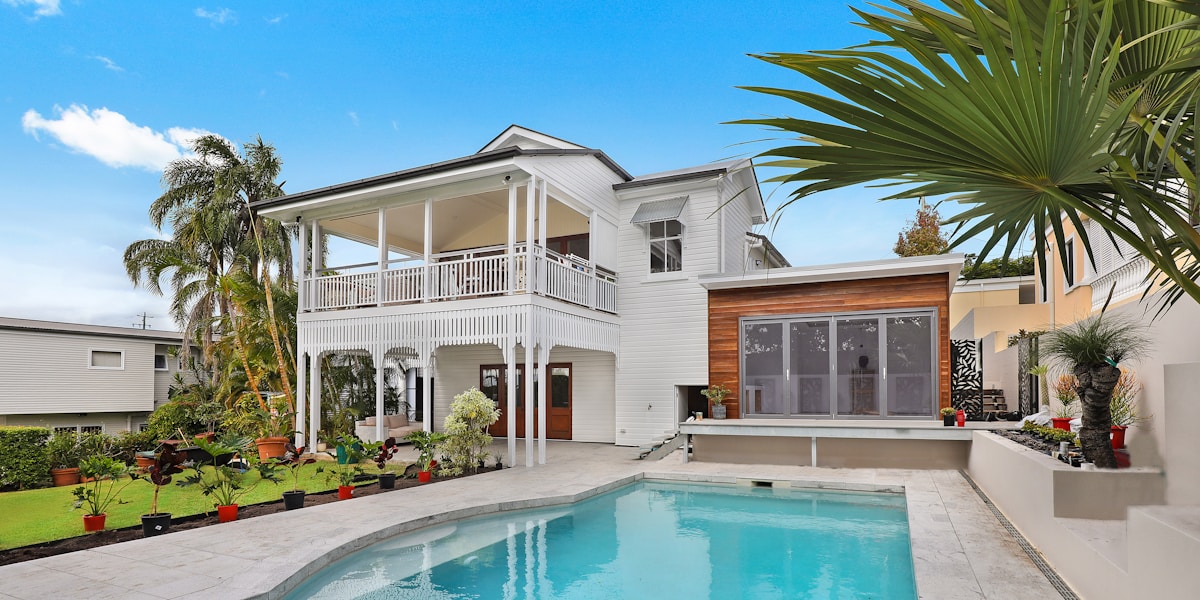
Oak Bay is its own municipality, which matters. It has its own police force, its own council, its own approach to planning, and that approach has historically been conservative. Heritage preservation is taken seriously. Single-family character is protected in ways it isn't in the broader CRD. If you love the existing fabric of the neighbourhood and want it preserved, that's a feature. If you're an investor looking at densification plays, it's a constraint.
The Uplands area represents some of the finest residential real estate in British Columbia, large lots, mature gardens, architecture of genuine distinction, ocean proximity. The Oak Bay Village commercial strip is charming, with the kind of independent retailers and bakeries that you can't manufacture. The marina, the golf course, the beach access, the lifestyle infrastructure is exceptional.
Where Oak Bay sits differently from Fairfield and Saanich is in its investor profile. Cap rates are lower because price points are higher. Secondary suite flexibility is more restricted. The buyer pool is narrower, this is a prestige market with prestige market dynamics. Properties hold value extremely well, but the investment thesis is appreciation and lifestyle, not yield.
If you're a family relocating from Vancouver or Toronto and are used to prestige neighbourhood pricing, Oak Bay will feel familiar and excellent value by comparison. If you're buying primarily as an investment, I'd steer you toward Saanich first.
Section 05
Use this as a quick reference when you're weighing your options.
| Neighbourhood | Best For | Price Range | Investment Appeal | Walkability |
|---|---|---|---|---|
| Saanich | Investment | $650K – $1.6M | ⭐⭐⭐⭐⭐ High: UVic rental demand | Moderate (varies by sub-area) |
| Fairfield | Community & Location | $900K – $2.3M | ⭐⭐⭐⭐ Strong appreciation, lower yield | Excellent (Walk Score 87) |
| Oak Bay | Lifestyle | $1.1M – $4M+ | ⭐⭐⭐ Appreciation-focused, lower yield | Good in village core |
| James Bay | Walkability & Downtown Access | $550K – $1.4M | ⭐⭐⭐⭐ Condo market, walkable | Excellent (Walk Score 90) |
| Langford | Affordability & New Builds | $500K – $1.2M | ⭐⭐⭐ Growth play, suburban | Car-dependent |
| North Saanich | Rural & Acreage Living | $1M – $3M+ | ⭐⭐ Lifestyle asset, illiquid | Car-dependent (Walk Score 14) |
Section 06
A plain-English walkthrough of the process, from first conversation to keys in hand.
Primary residence, investment, or both? Detached vs. condo? Proximity to work, school, or ocean? The clearer you are at this stage, the faster everything else moves. I ask a lot of questions here, not to be pushy, but because the right neighbourhood for your lifestyle may not be the one you came in with.
In a competitive market, a pre-approval letter is table stakes. It tells sellers you're serious and gives you a firm budget to work within. In Victoria, deals can move in days, you don't want to lose a home because your financing wasn't in order. I have a short list of Victoria-based mortgage brokers I trust and can connect you with.
I set up automated alerts for your criteria and personally flag properties that match, including unlisted homes I hear about before they hit MLS. You see curated options, not a firehose of listings. For each serious contender, I prepare a comprehensive property brief before you walk in the door.
This is where having a Sotheby's agent matters. Offer strategy in Victoria varies enormously: what works in a multiple-offer situation in Fairfield is completely different from a negotiation on a North Saanich acreage. I'll give you honest counsel on price, terms, and conditions, without pressuring you into a deal that isn't right.
BC real estate uses a subject-removal process. You'll typically have subjects to financing, home inspection, and (for strata) document review. I have trusted inspectors and a strata specialist who can turn these around quickly without cutting corners. This stage protects you, take it seriously.
Your notary or lawyer handles the title transfer. Completion day (when money changes hands) and possession day (when you get keys) are typically 1–2 days apart. Budget for notary fees ($1,200–$2,000), Property Transfer Tax (1% on first $200K, 2% on $200K–$2M, 3% above, first-time buyers may be exempt), and moving costs.
In BC, the minimum down payment is 5% on homes priced up to $500,000. For the portion between $500,000 and $999,999 the minimum is 10%, and homes priced at $1,000,000 or more require at least 20%. These rules apply to owner-occupied purchases with CMHC-insured mortgages.
First-time buyers may qualify for a full or partial exemption from BC's Property Transfer Tax on homes priced up to $835,000 (full exemption), with a partial exemption up to $860,000. The home must be your principal residence and you must be a Canadian citizen or permanent resident who has never owned property anywhere in the world.
From the first conversation to keys in hand, most Victoria home purchases take 6–10 weeks. That includes 1–2 weeks to get pre-approved, 2–4 weeks to find and make an offer, and a completion period of 4–6 weeks. In competitive spring markets, the search phase can be shorter; in slower markets it may stretch longer.
A home inspection is not legally required in BC, but it is strongly recommended. Victoria's older housing stock — many homes date from the 1900s to 1960s — can have issues with knob-and-tube wiring, cast-iron drains, or moisture. An inspection typically costs $400–$600 and can prevent costly surprises post-purchase.
BC's Home Buyer Rescission Period (HBRP), introduced in January 2023, gives buyers of residential property a 3-business-day window after acceptance to rescind an accepted offer, for any reason. A rescission fee of 0.25% of the purchase price applies. This right cannot be waived and applies to most residential transactions.
This guide gives you the lay of the land. The next step is a conversation about your specific situation, what you're looking for, what your timeline is, and what's realistic in the current market.
Book a Free Buyer ConsultationAll information on this page is based on publicly available data from authoritative sources. Market conditions change; consult a licensed REALTOR® for current information.